
Key takeaways
- Aged cheese labels list months or years; longer aging creates sharper flavor and texture, while shorter aging melts more smoothly for cooking.
- Processed cheese marked 'process cheese food' contains emulsifiers and costs $3-5 per box, versus $8-18 per pound for aged varieties.
- Fresh cheese like mozzarella and feta must be used within days of opening, with 'best by' dates much sooner than aged types.
A cheese label contains more than a brand name and expiration date. The words and numbers tell you whether a cheese has aged for months or days, how processed it is, and what you are actually eating. Understanding these details helps you choose cheese that fits your budget, your taste, and how quickly you plan to use it.
Understanding Cheese Categories on the Label
Cheese labels in the US fall into three broad groups: aged, processed, and fresh. This distinction shapes everything from flavor and texture to shelf life and nutrition. A label will usually indicate which category a cheese belongs to, though not always explicitly. The expiration date, the ingredient list, and the description on the package all provide clues.
Some labels use terms like “natural cheese,” “process cheese,” or “process cheese food” to clarify what you are buying. Others rely on the front-of-package description or require you to read the ingredients. Learning what to look for takes a few shopping trips, but it makes a real difference in choosing the right cheese for the job.
Aged Cheese: How Old Is Your Cheddar
What the Label Says About Age
Aged cheeses carry numbers that tell you how long they have matured. A label might read “aged 6 months,” “2-year aged cheddar,” or “aged 36 months” for Parmigiano-Reggiano. These timelines affect flavor, texture, and how the cheese behaves when you cook with it.
Younger aged cheeses (6 to 12 months) remain creamy and slice cleanly. Longer-aged cheeses (18 months or more) become crumbly and develop sharper, more concentrated flavors. A 2-year Tillamook cheddar will taste noticeably more complex than a 6-month mild cheddar from the same producer.
Common Aged Varieties and Their Labels
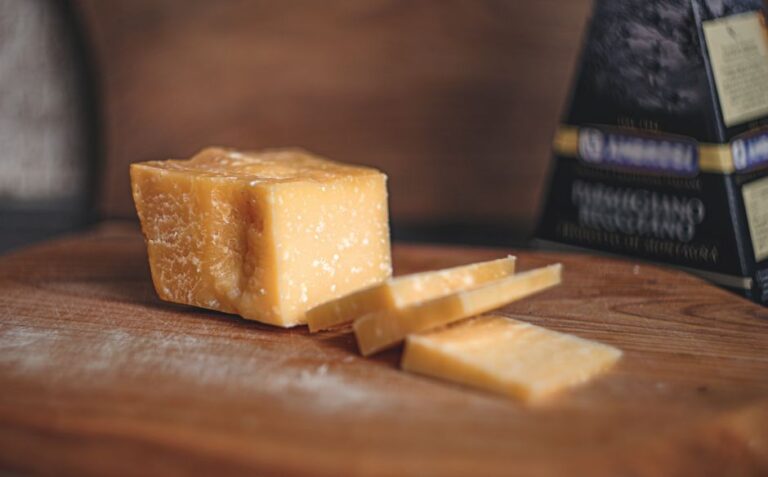
Parmigiano-Reggiano labels by law must show age; the PDO standard requires a minimum of 36 months. A block labeled “Parmigiano-Reggiano” from brands like Stella Shredded or BelGioioso costs roughly $14-18 per pound and delivers that brittle, crystalline texture that comes only from 3 years of aging. Avoid packages labeled simply “Parmesan”; that word has no legal protection outside Europe and often refers to domestic imitations that may be processed or contain additives.
Aged cheddar brands like Cabot, Tillamook, and Cracker Barrel clearly mark their products as mild, medium, sharp, or extra sharp. Mild versions are aged 2-3 months and cost around $8-11 per pound. Extra sharp versions are aged longer, sometimes 2 to 3 years, and run $12-16 per pound. The color alone tells part of the story; sharper cheddars are often darker because aging concentrates the color as moisture evaporates.
Manchego, a Spanish sheeps milk cheese, comes aged in versions labeled 3 months, 6 months, or 1 year and older. A 6-month Manchego from brands like La Mancha or Bellwether Farms runs about $12-16 per pound and carries a nuttier, firmer character than the younger versions. Swiss and Gruyere follow similar patterns, with age listed prominently and older examples commanding premium prices.
Aged Cheese and Value
Older is not always better. An extra-sharp aged cheddar suits a cheese board or eating on its own, but a mild cheddar melts more smoothly in sauces or on burgers. The extra cost of a 3-year aged block matters most when you are eating it plain, where all that developed flavor comes through. For cooking, a younger, sharper (but still aged) cheese often delivers the same melting behavior at lower cost.
Processed Cheese: Recognizing What It Is
A label that says “process cheese,” “process cheese food,” or “process cheese product” signals that the product contains more than aged cheese and milk. By law, process cheese must contain at least 51 percent cheese combined with emulsifiers, salt, and sometimes other additives. Brands like Kraft Singles, Velveeta, and Land O’Lakes American Cheese live in this category.
Processed cheese melts evenly and never breaks or separates, because emulsifiers keep the fats and proteins bound together. This reliability is why processed cheese dominates burgers and grilled cheese sandwiches in commercial kitchens. A package of Kraft Singles costs about $3-5 for 24 slices and stays stable in the refrigerator far longer than aged or fresh cheese.
The nutrition label on processed cheese often shows higher sodium than natural aged cheese, sometimes 300 to 400 mg per slice compared to 100-150 mg in a slice of cheddar. Some people also report that the combination of additives causes bloating or digestive discomfort; if that describes you, aged or fresh cheese may suit you better.
Fresh Cheese: Use It Soon
What Makes Cheese Fresh
Fresh cheese labels carry different information because these cheeses are barely aged, if aged at all. Mozzarella, ricotta, feta, and goat cheese all fall into this group. The label shows a much shorter shelf life, usually 1 to 3 weeks unopened, and 3 to 7 days after opening, compared to the 3 to 6 months for aged cheese.
The ingredient list for fresh cheese is typically very short: milk, salt, and cultures. Some brands include lipase powder for a tangier flavor. This simplicity is partly why fresh cheese tastes bright and milky; there is little time for complex aging compounds to develop.
Common Fresh Cheese Brands and Costs
Fresh mozzarella sold in water or whey costs $6-10 per pound at most grocery stores from brands like Galbani or Bozza. Ricotta runs $4-8 per pound. Feta, whether from Greece or produced domestically by brands like Athenos, runs $8-12 per pound. Goat cheese (chevre) from producers like Cypress Grove or Humboldt Fog runs $8-14 per pound depending on the brand and whether it is fresh or lightly aged.
Shelf Life and Storage Signals on the Label
Fresh cheese labels specify “best by” dates more strictly than aged cheese, and for good reason. Unopened fresh mozzarella in brine can last until the printed date. Once opened, the USDA recommends using it within 5 to 7 days. Goat cheese labeled “fresh” should be used within a week of opening; aged chevre lasts longer.
Reading the Nutrition Facts Panel
The nutrition label on cheese reveals sodium, fat, and protein content. A one-ounce serving of aged cheddar typically contains 100-120 calories, 7-8 grams of fat, 8-9 grams of protein, and 150-200 mg of sodium. Fresh mozzarella in the same serving size has slightly less calories and fat but often less protein. Processed American cheese averages 80-100 calories and 80 mg of sodium per slice, depending on thickness.
For people managing sodium intake, aged cheddar and goat cheese tend to be lower in sodium than feta, which is traditionally preserved with salt. Comparing the “per serving” content across brands helps you choose. A 2-ounce serving of aged cheddar might fit your sodium budget where a 2-ounce serving of feta would not.
Protein content is similar across aged and fresh cheese; most whole-milk cheeses deliver 6-9 grams of protein per ounce. Processed cheese often contains slightly less because of added fillers.
Pasteurized vs. Raw Milk on the Label
The label will state whether cheese is made from pasteurized or raw milk. Most cheddar, mozzarella, and processed cheese use pasteurized milk. Raw milk cheeses, including some imported Manchego, Gruyere, and specialty goat cheeses, carry a label stating “made from raw milk.” Raw milk cheese aged 60 days or longer is legal to sell in the US; the aging process naturally reduces bacterial risk.
Raw milk cheese often develops more complex flavor because the microbes in untreated milk contribute to aging. If you are pregnant, very young, very old, or immunocompromised, pasteurized versions are the safer choice. For most adults, either option is safe; the choice comes down to preference.
Choosing Cheese Based on Your Needs
Start by asking what you plan to do with the cheese. If you need it to melt evenly for a burger or grilled cheese, processed cheese works best and costs least. If you want to eat it plain on a board or alongside fruit, aged cheese with 6 months to 3 years of aging delivers better flavor and texture. If a recipe calls for ricotta or feta, buy fresh and use it within days.
Check the price per ounce rather than price per package; it reveals true value. A $16 block of Parmigiano-Reggiano might weigh 4 ounces, making it $4 per ounce, while a $10 block of mild domestic Parmesan might weigh 8 ounces at $1.25 per ounce. The imported version tastes sharper and has a better crumble, but the domestic version costs much less and works fine in a pasta sauce.
Read the origin or appellation if the label includes it. “Parmigiano-Reggiano” must come from a specific region of Italy and follow strict rules. “Parmesan” or “Parm” has no such requirement and may be a blend. Similarly, “feta” from Greece costs more than domestic feta but has a brighter, tangier flavor that some people prefer.
Frequently Asked Questions
What does 'aged' mean on a cheese label?
It refers to how long the cheese has matured before sale, ranging from 6 months to 3 years. Longer-aged cheese develops sharper flavor and a crumbly texture, while younger aged cheese remains creamy and melts more smoothly.
Is processed cheese really different from natural cheese?
Yes. Processed cheese must contain at least 51 percent cheese plus emulsifiers and salt. Labels read 'process cheese' or 'process cheese food.' It melts smoothly, costs less, and lasts longer in the refrigerator than fresh cheese, making it ideal for burgers and grilled cheese.
How long can I keep cheese after opening?
Aged cheese keeps several weeks to months when wrapped; fresh cheese like mozzarella and feta must be used within 5-7 days. Follow the 'best by' date listed on the package, as it accounts for each type and brand.
